
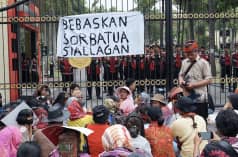



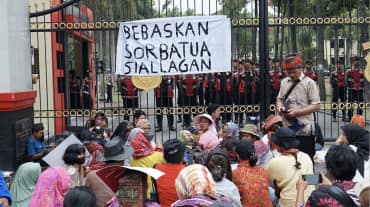
Indonesia: Indigenous elder abducted for resisting the paper industry
Sorbatua Siallagan, an Indigenous elder on Sumatra, was abducted for wanting to keep the paper industry out of his people’s forest.
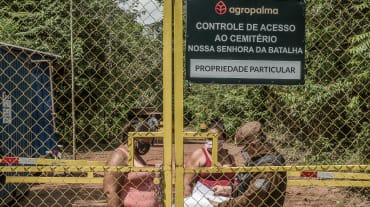
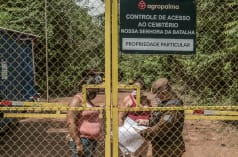
The sustainability scam: “certified” palm oil from Brazil
There is nothing “sustainable” about certified palm oil. The solution: please choose alternative products WITHOUT palm oil!
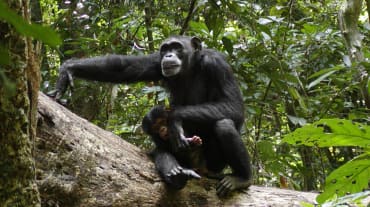
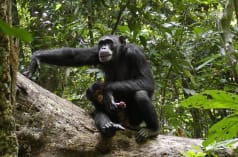
Carbon credits: The next round of indulgence trade in Liberia
The fight over Liberia’s forests is entering a new round. BluEarth Carbon, a U.S.-based company, wants in on the lucrative carbon credit market.
 Act
Act 
The rainforest
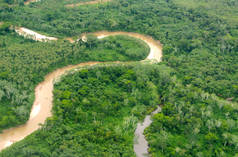
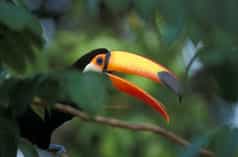
A green sea of ferns, mosses, vines and ancient trees. Iridescent butterflies and colorful birds. Flowers in every hue of the rainbow. The “green lung” is a natural wonder of the world. Find out more about the world’s most diverse, fascinating and threatened ecosystem.
Biodiversity
Climate and the rainforest
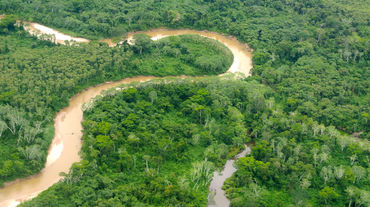
Rainforests are tightly intertwined with the climate: while forests are suffering from global warming, they are also the key to climate protection.
We’re working around the world, supporting our partners on the ground in tropical countries. Find out more about where we’re involved and what we’re doing.
- Petitions
- Successes
- Donation Alerts
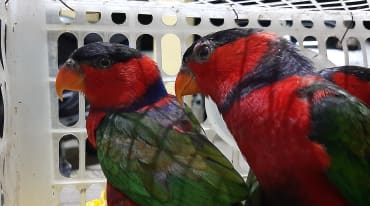
Rescued: Proboscis monkeys, leopard cats and black-capped lories returned to the wild
Our Indonesian partner, Flight, rescues wildlife from smugglers, fights the trade in exotic birds, and releases songbirds back into the wild.

Borneo: New clear-cutting in the orangutan forest – for paper!
In Borneo, a company is destroying orangutan habitat and stealing Indigenous land to establish eucalyptus and acacia plantations for the paper industry.
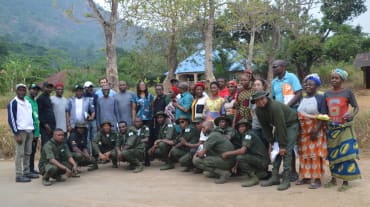
Nigeria: Growing lawlessness endangers forest communities
Logging, illegal mining, poaching and armed groups are making the forests of eastern Nigeria unsafe. Local communities are threatened.
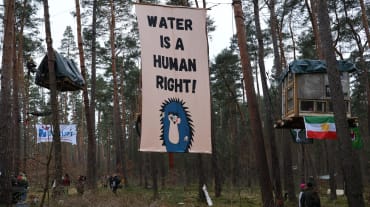
Speaking out against Tesla’s German Gigafactory, mining in the global South
Protesters are calling for a stop to the expansion of the Tesla Gigafactory near Berlin. Rainforest Rescue took part to speak out against destructive mining.
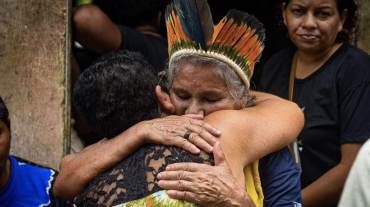
Brazil: Mob of 200 landowners and police militia kill Pataxó Indigenous leader
Brazil: 200 landowners used WhatsApp to coordinate an attack on the Pataxó people, killed their leader and seriously wounding her brother.

For true climate protection: Don’t fuel the fire!
At the COP28 conference, Europe pledged to phase out fossil fuels. In reality, the EU wants to fall back on dangerous and costly false solutions.
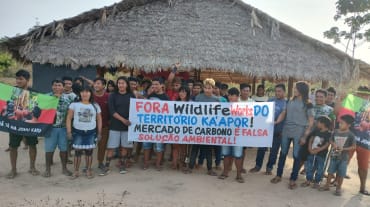
Brazil: Indigenous Ka’apor people denounce abuses by carbon traders
The Indigenous Ka’apor people call on the Federal Prosecutor’s Office in Maranhão to take action to evict the carbon trader Wildlife Works from their territory.

EU puts a stop to abusive SLAPP lawsuits
The EU is finally getting a directive to combat abusive lawsuits, or SLAPPs, that will make it harder for corporations and powerful individuals to silence critics.
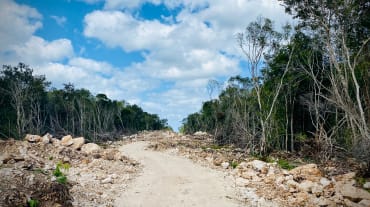
Inauguration of Mexico’s “Mayan Train”: No reason to celebrate
While sections of the Tren Maya tourist railroad in Mexico are ceremoniously inaugurated, the fight against the impacts of railroad construction in the rainforest continues.
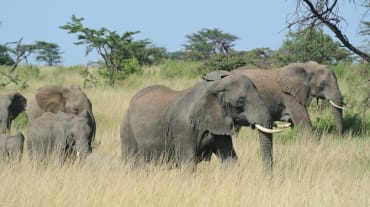
World Bank: Stop financing evictions and human rights abuses in Tanzania!
Tanzania’s government plans to evict over 20,000 people under the pretext of conservation by doubling the size of Ruaha National Park. The World Bank is enabling this move.
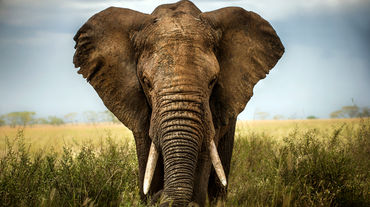
Trophy hunting: Debunking the hunting lobby’s lies
Rainforest Rescue has long said NO to tourists shooting elephants, rhinos and lions for fun. Belgium is leading the way with a trophy import ban.
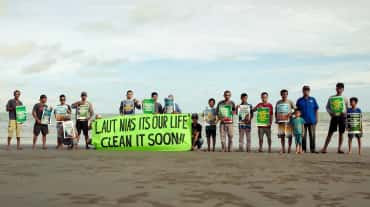
Indonesia: Fight the marine bitumen spill off Nias Island!
An environmental disaster is unfolding off the island of Nias: The wreck of the tanker MT AASHI is leaking bitumen. Call on the Indonesian government to take action!